Thoracic Aortic Aneurysm (TAA)
Key takeaways
Definition: A thoracic aortic aneurysm (TAA) is a bulge or weakened area in the section of the aorta that passes through your chest.
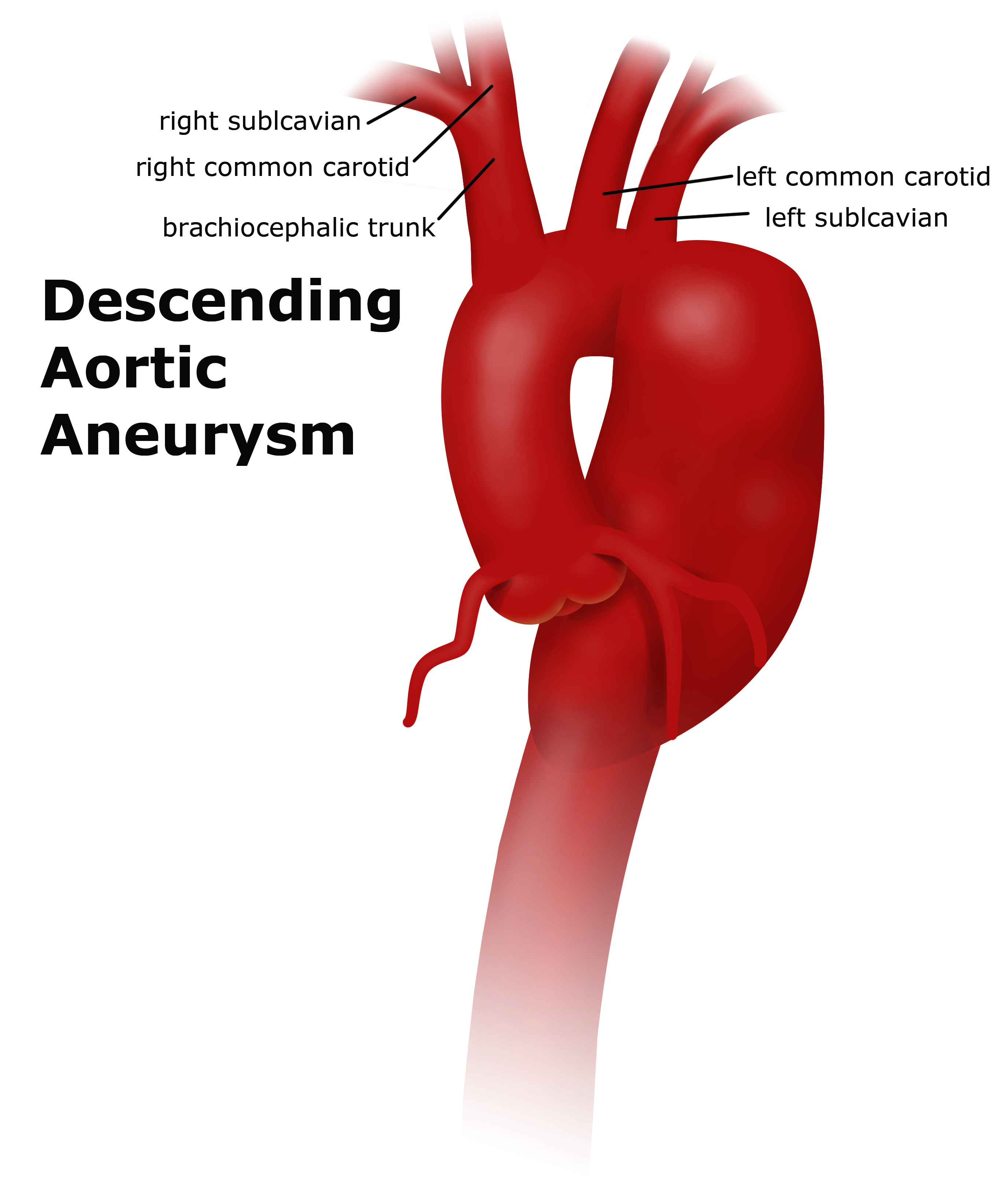
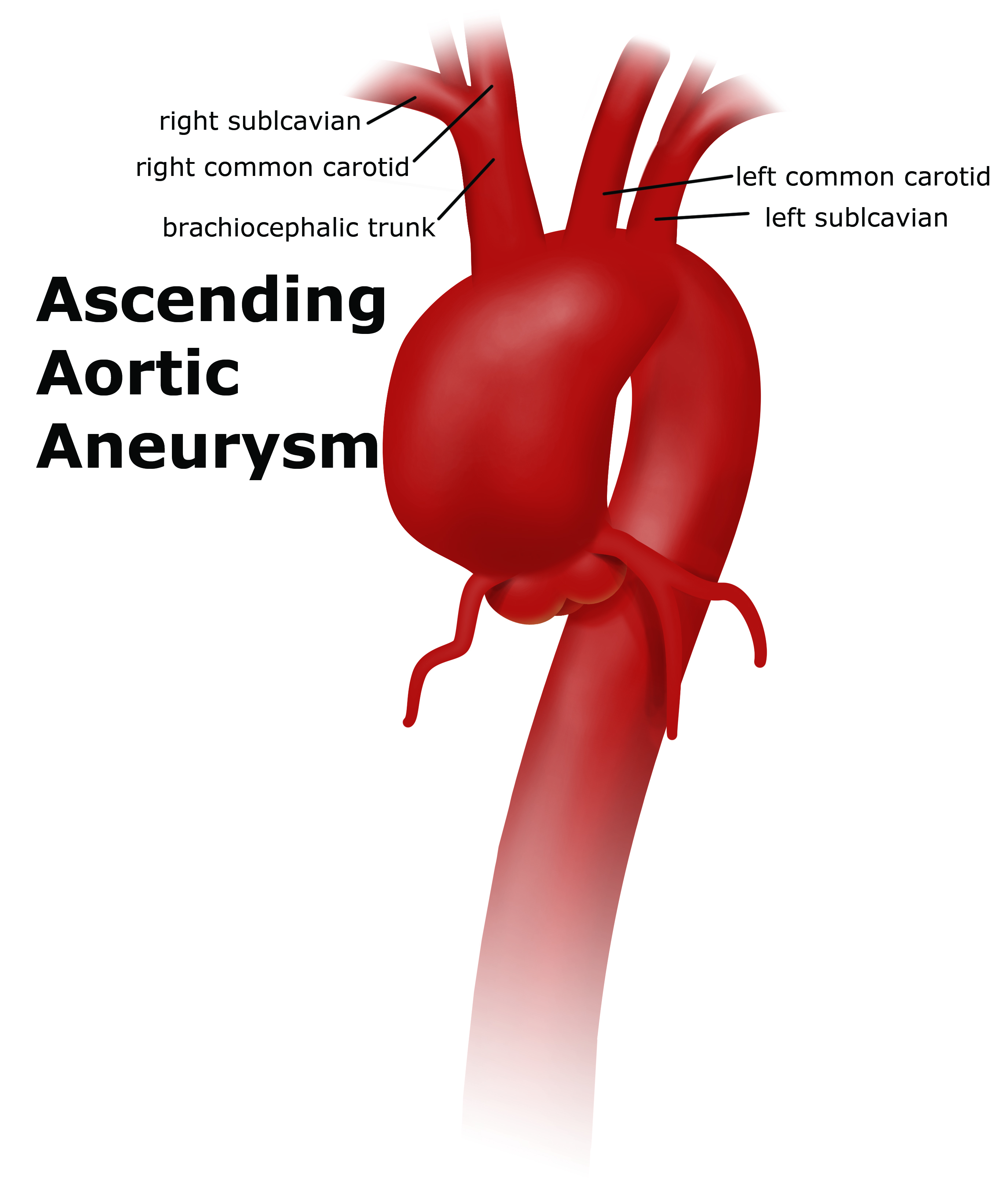
TAAs are classified based on their location within the chest: the ascending aorta, which is the segment closest to the heart; the aortic arch, which curves at the top of the chest; and the descending thoracic aorta, which is the most frequent site for these aneurysms.
In most cases, we recommend repairing a TAA once it reaches 5.5 centimeters in diameter or 4.5 centimeters in diameter for patients with connective tissue disorders. At this size the risk of rupture increases significantly, while smaller aneurysms are less likely to cause immediate problems.
At UF Health, our team provides a full spectrum of advanced treatment options for thoracic aortic aneurysms. These include minimally invasive TEVAR (stent-graft repair), traditional open-chest surgery, innovative valve-sparing procedures like the Florida Sleeve for aortic root aneurysms, and comprehensive medical management tailored to each patient.
What is a thoracic aortic aneurysm?
The aorta is the largest blood vessel in your body. It serves as the main pathway that carries oxygen-rich blood from your heart to your organs and limbs. When the section of the aorta that runs through your chest becomes enlarged, it is called a thoracic aortic aneurysm (TAA).
As the wall of the aorta weakens, the constant pressure of blood pumping through it causes the artery to bulge outward like a balloon.
A TAA can form in three specific locations within your chest:
Ascending Aorta: The section that rises straight up out of the heart.
Aortic Arch: The curved section at the top that bends like an upside-down "U" and sends blood up to your brain and arms.
Descending Thoracic Aorta: The section that travels downward through the back of your chest toward your abdominal area. This is the most common place for a TAA to form.
The greatest risk associated with a TAA is that the weakened artery wall may eventually rupture, leading to severe and potentially life-threatening internal bleeding.
Who does it affect?
The most common cause of a thoracic aortic aneurysm is atherosclerosis. This is a hardening of the arteries caused by a buildup of fatty plaque. Over time, this plaque makes the walls of your aorta stiff and very weak.
Several factors can increase your risk of developing atherosclerosis and a TAA:
Age and Sex: TAAs are most common in people over 55 and are more prevalent in males than in females.
Smoking: Tobacco use is a leading cause of artery damage and aneurysm growth.
Overall health factors such as: high blood pressure, elevated cholesterol, diabetes, and excess body weight all contribute additional strain on your blood vessels, raising the risk of aneurysm development.
Genetics and family history play a large role. If a close family member has had an aneurysm, your risk increases. Certain inherited connective tissue disorders, including Marfan syndrome, Ehlers-Danlos syndrome, and Loeys-Dietz syndrome, can make blood vessels more prone to weakness and aneurysm formation.
Infections: In rare cases, untreated infections like syphilis or tuberculosis can damage the aortic wall.
Symptoms to look out for
Thoracic aortic aneurysms are often referred to as "silent" because they typically develop and enlarge gradually without noticeable symptoms. In many cases, they are found incidentally during imaging studies performed for unrelated reasons.
However, as an aneurysm increases in size, it may start to press on surrounding nerves, bones, or organs. Symptoms that may develop include:
Deep, persistent pain in your chest or back.
Pain that flares up into your jaw or neck.
A persistent cough or shortness of breath.
Hoarseness, which can occur if the aneurysm compresses the nerves that control your vocal cords.
Difficulty swallowing, which may result if the enlarged aorta presses against the esophagus.
How is TAA diagnosed?
If your provider suspects a TAA during a physical exam or after reviewing your medical history, they will use advanced imaging tests to see your aorta clearly. These tests may include:
Chest X-ray: Often the first test to show a widened aorta.
CT scans or MRI: These imaging studies provide detailed three-dimensional views, allowing us to determine the precise size and location of the aneurysm.
Echocardiogram: This ultrasound of the heart enables us to assess the ascending aorta and evaluate the function of the heart valves.
Angiogram: This specialized X-ray uses a contrast dye to visualize blood flow within your arteries, helping us identify any blockages or abnormalities.
Treatment options for thoracic aortic aneurysms
At the UF Health Aortic Disease Center, our multidisciplinary team carefully evaluates your overall health, individual risk factors, and the specific size and location of your aneurysm to develop the safest and most effective treatment plan for you.
Medical management
If your aneurysm is small and you are not experiencing symptoms, surgery may not be necessary. In these cases, we closely monitor the aneurysm with regular CT scans or MRIs and prescribe medications to control blood pressure and cholesterol. This approach, known as watchful waiting, helps reduce the risk of aneurysm growth and complications.
Thoracic endovascular aortic repair (TEVAR)
TEVAR is a minimally invasive procedure that offers an alternative to traditional open surgery. Rather than a large chest incision, small incisions are made in the groin. Using X-ray guidance, a thin catheter with a fabric-covered metal stent-graft is advanced into the chest and positioned within the affected segment of the aorta. The stent is then expanded to seal off the aneurysm, protecting the artery from further pressure.
For more complex aneurysms located near the aortic arch, we may use custom stent-grafts with small openings, called fenestrations. This technique, known as Fenestrated Endovascular Aortic Repair (FEVAR)/Physician Modified Endograft (PMEG), allows blood to continue flowing safely into the vital branch arteries that supply the brain and arms.
Valve-sparing procedures: The Florida Sleeve
The UF Health Aortic Disease Center is the proud home and inventor of the Florida Sleeve procedure. When an aneurysm forms at the very base of the aorta, called the aortic root, it often stretches the area surrounding the aortic heart valve. In the past, surgeons had to replace both the aorta and the valve with an artificial one, requiring the patient to take lifelong blood thinners.
The Florida Sleeve is a specialized valve-sparing technique pioneered at UF Health. Rather than removing the aortic valve, the surgeon places a synthetic fabric sleeve around the existing aortic root. This approach reinforces the artery, prevents further aneurysm growth, and preserves your natural heart valve.
Open surgical repair
Open surgical repair is a well-established procedure that has been used successfully for many years. The surgeon accesses the aorta through an incision in the breastbone or side of the chest, removes the weakened segment, and replaces it with a synthetic graft to restore normal blood flow.
Frequently asked questions
Why do doctors wait until a TAA reaches 5.5 cm to operate?
Medical studies and data show that for most patients, the risk of a thoracic aneurysm bursting becomes significant once it reaches 5.5 centimeters in diameter. Below this size, the risks of major chest surgery are usually higher than the risk of the aneurysm rupturing. However, if you have a genetic condition like Marfan syndrome, your team may recommend surgery at a smaller size at approximately 4.5 centimeters in diameter.
How is a TAA related to an aortic dissection?
Thoracic aortic aneurysms and aortic dissections are two different conditions, but they are very closely connected risks to the health of your aorta. While a TAA is a slow-growing bulge that stretches the artery wall over time, an aortic dissection is a sudden, life-threatening tear in the inner layer of that wall.
Because an aneurysm thins and weakens the blood vessel, having a TAA increases your chances of having a dissection. Conversely, a previous dissection can permanently damage the structural layers of the aorta, causing a new aneurysm to form later in life. Because both conditions drastically increase the risk of a fatal rupture, the team at the UF Health Aortic Disease Center focuses on monitoring and treating thoracic aneurysms early to prevent a dangerous dissection from ever occurring.
What makes the Florida Sleeve procedure different from other surgeries?
Traditional aortic root surgery is complex, often requiring removal of the aortic valve and reconnection of the coronary arteries. The Florida Sleeve procedure simplifies this process by preserving your own heart valve and coronary arteries, and reinforcing them with a protective sleeve. This leads to less surgical bleeding, a durable repair, and removes the need for long-term blood thinners.
Can a thoracic aortic aneurysm change my voice?
Yes. If an aneurysm forms in the aortic arch, it can press against the recurrent laryngeal nerve. This specific nerve controls your vocal cords. If a bulging aorta squeezes it, it can cause sudden or progressive hoarseness.
How long do I have to follow up after a TEVAR procedure?
Because endovascular stents may shift, kink, or develop small leaks over time, TEVAR patients require lifelong follow-up. We recommend routine CT scans, beginning one month after surgery, then at six months, and annually thereafter, to ensure the graft remains secure and effective.
What is the recovery difference between open surgery and TEVAR?
Open-chest surgery usually involves a hospital stay of five to seven days, followed by several weeks or months of recovery at home. In contrast, TEVAR uses only small groin incisions, allowing most patients to leave the hospital within one to three days and resume normal activities much sooner.
Why choose UF Health for Thoracic Aortic Care?
The UF Health Aortic Disease Center is recognized for excellence in complex vascular care. Our multidisciplinary team includes thoracic surgeons, cardiovascular surgeons, cardiologists, and advanced interventional radiologists. As an academic medical center, we routinely perform advanced, high-risk procedures such as complex arch reconstructions and custom fenestrated repairs, offering treatment options and outcomes not typically available at smaller community hospitals.
To learn more or to request a consultation with our team, please contact the UF Health Aortic Disease Center by calling (352) 273-5494.
This entry was written by Gabrielle Massari, Marketing Content Writer, and reviewed for accuracy by Eric Jeng, MD. Generative AI was leveraged as part of the content creation process.